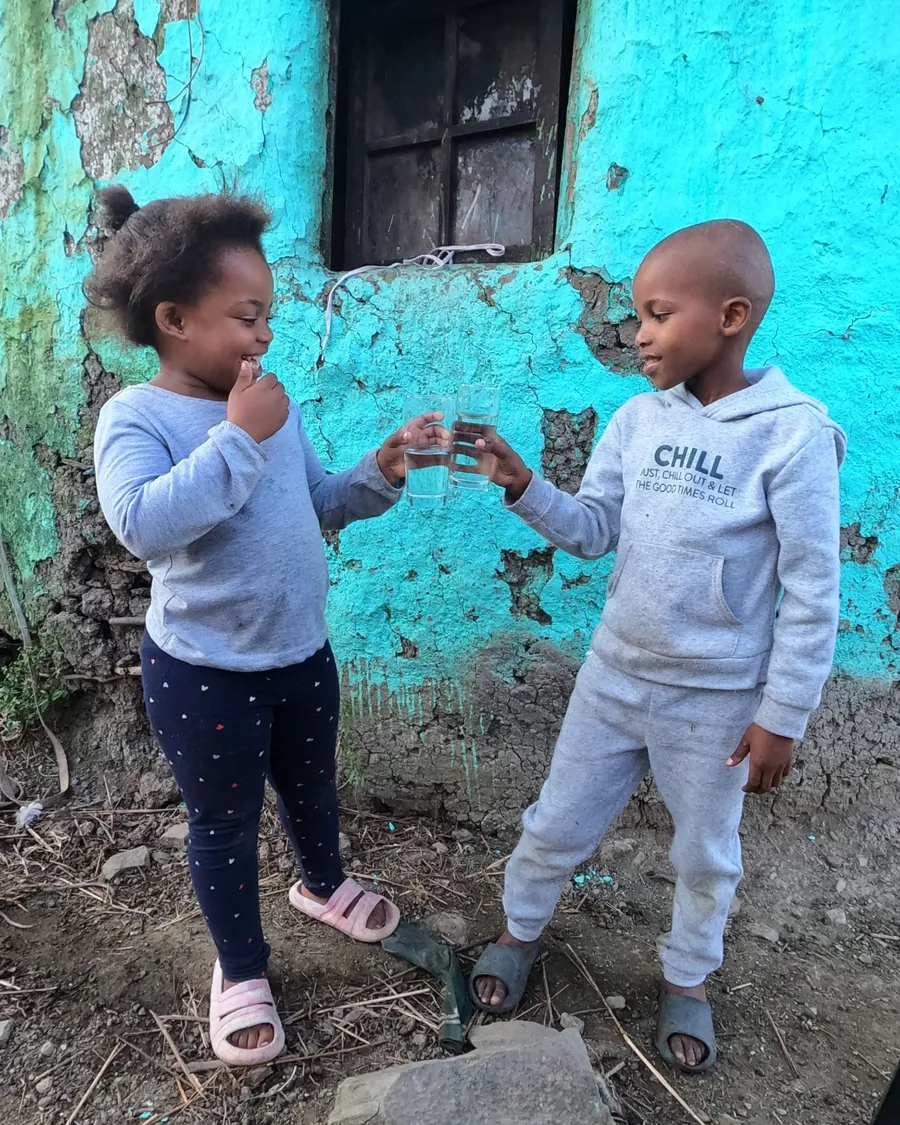
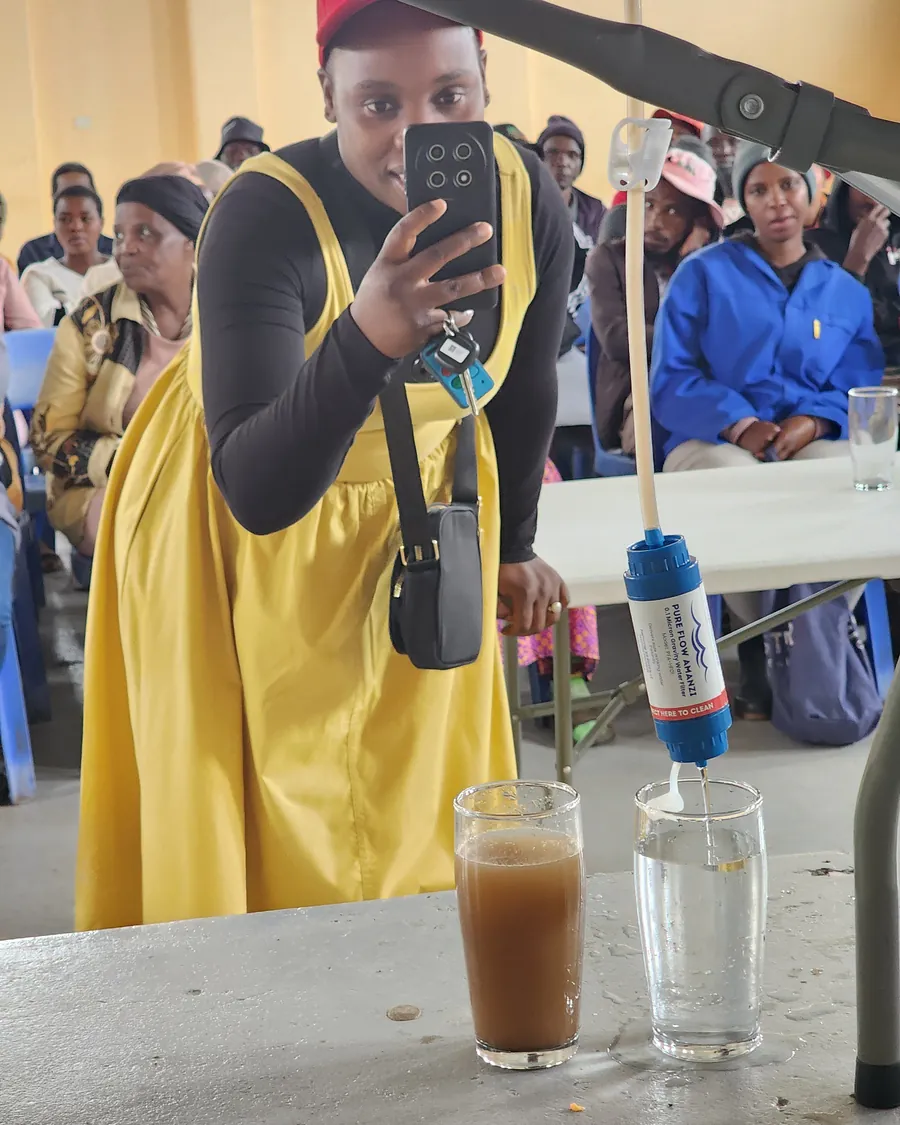
PureFlow Amanzi brings safe drinking water to rural homes, schools and ECD centres in the Eastern Cape, creating paid work for local women and youth along the way. The carbon credits it generates will pay for what comes next: more rollouts and lasting community infrastructure.
Run by iThemba Kuluntu NPC, a women-led Public Benefit Organisation. GCX is carbon technical advisory partner.
3,000+Households with safer water
15,000+People reached
80+Green jobs and paid local roles for women and youth
350+WASH education, training and follow-up sessions
45M+Litres of safe-water treatment capacity
Programme reach to 2026. Source: iThemba Kuluntu NPC.
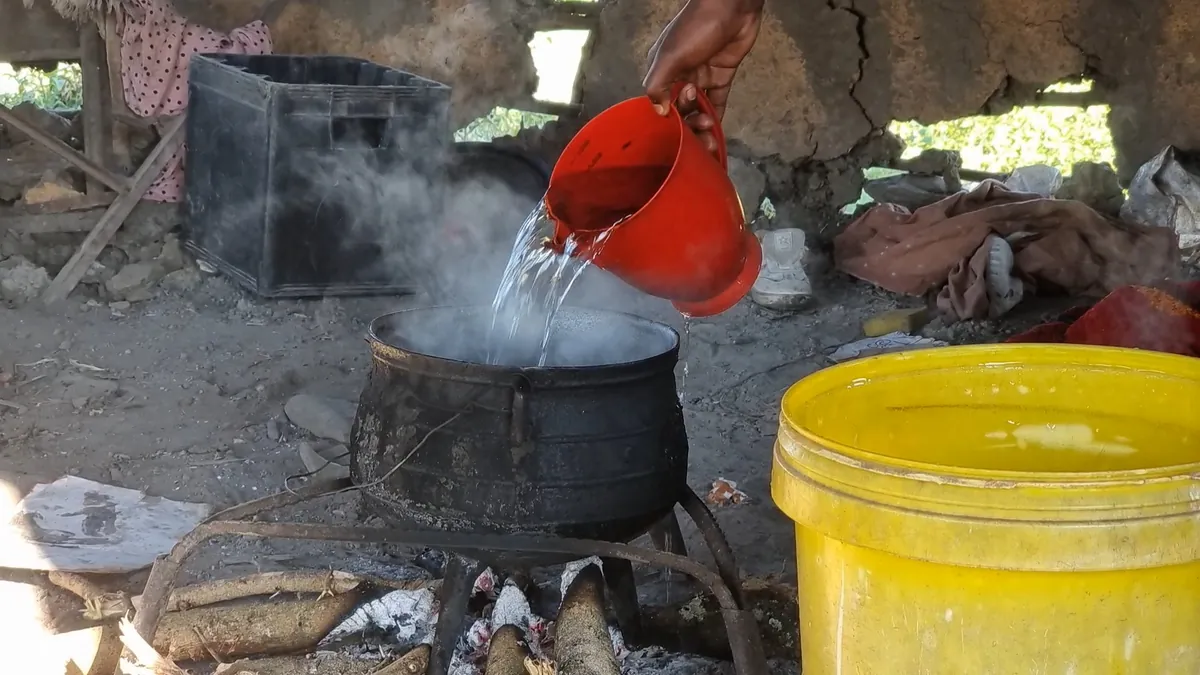
Boiling drinking water over an open fire, seen on a home visit.
Before
Safe water used to start with a fire.
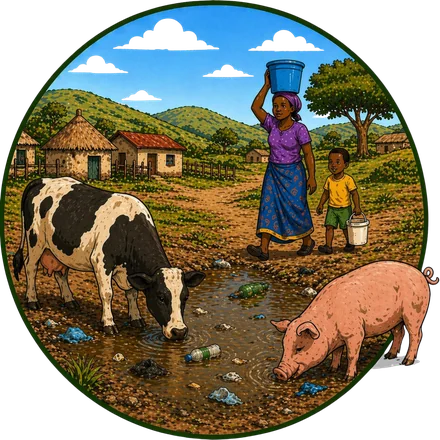
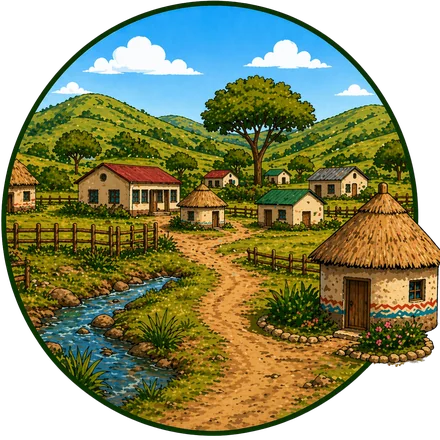
In rural Pondoland many households draw drinking water from rivers and streams. Making it safe means boiling it over wood, every day.
That means firewood to collect, smoke in the kitchen and hours lost, with illness when boiling is skipped. Most of that load falls on women and caregivers.
Impact at scale
It starts with water. It doesn’t stop there.
The filter is the way in. The delivery model around it reaches learning, livelihoods, health and the climate, and builds capability that stays in the community.
Safe water at home
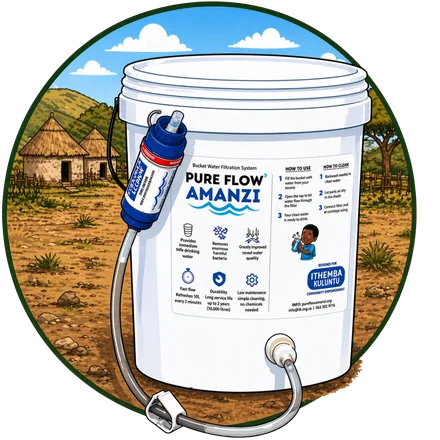
Gravity-fed filtration without electricity or chemicals, and no more boiling water over a fire.
Schools & ECD centres
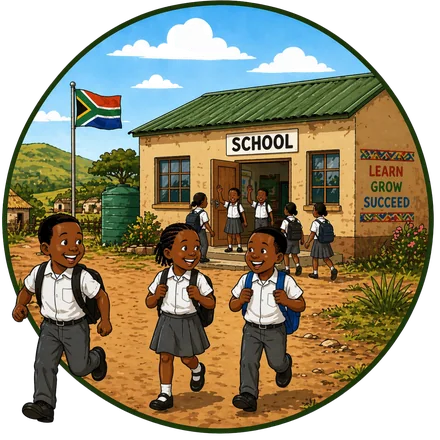
Safe water and WASH education where children learn and grow, so fewer days are lost to illness.
Women’s livelihoods
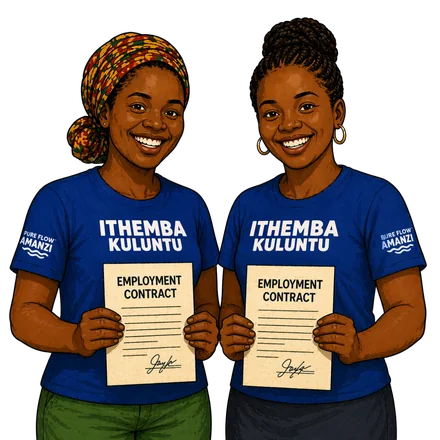
Paid local roles in assembly, rollout, training and follow-up: skills, income and leadership for women and youth.
Health & household savings
Less waterborne illness, and lower clinic, medicine and transport costs for stretched households.
Climate
Less firewood burned means fewer emissions, to be independently verified and issued as South African carbon credits.
Community capability
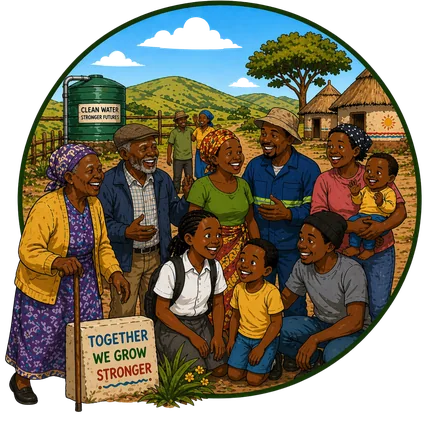
Trained local teams and trusted delivery that can anchor what comes next, from youth skills to village resilience.
Where the carbon revenue goes
Every credit will help build what comes next.
This is what makes PureFlow Amanzi more than a water programme. Once credits are verified, their revenue is planned to flow back into the community: more rollouts, local jobs, and lasting infrastructure that outlives any single project. iThemba has already built community infrastructure with partners; carbon revenue is how it plans to build the next.
1Safe water for homes, schools & ECD centres
2Less wood burned, emissions avoided
3Verified South African carbon credits
4Credit revenue
5Reinvested in rollouts, jobs & community infrastructure
…and the cycle reaches more households
Already delivered, with partners
20242025
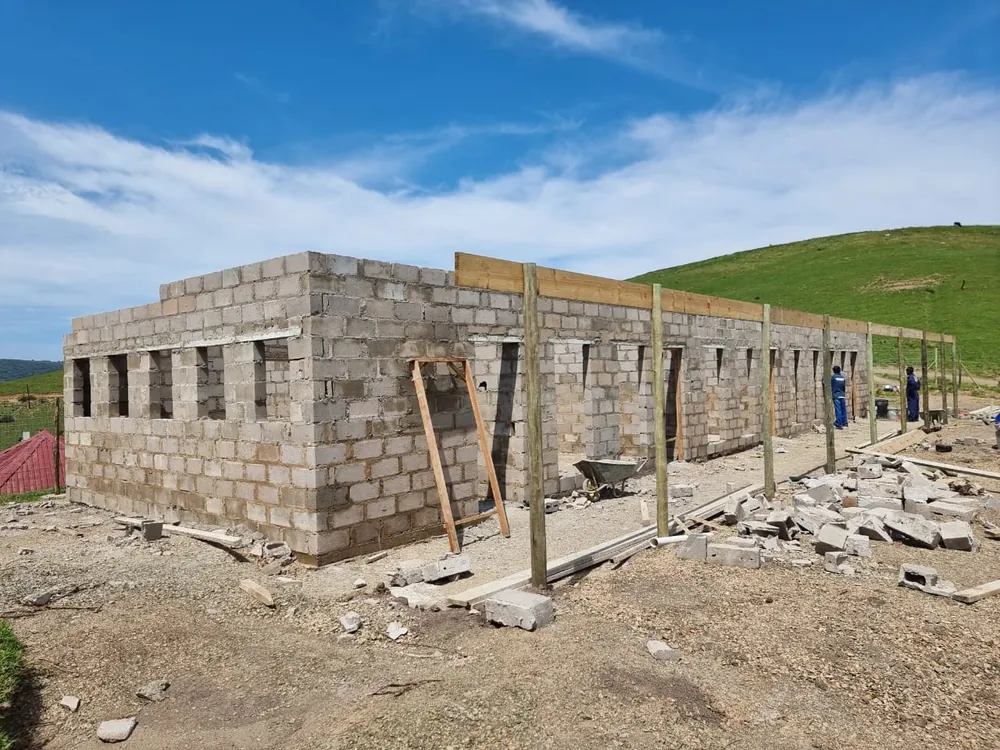
The No.1 ECD Centre, Cwebeni
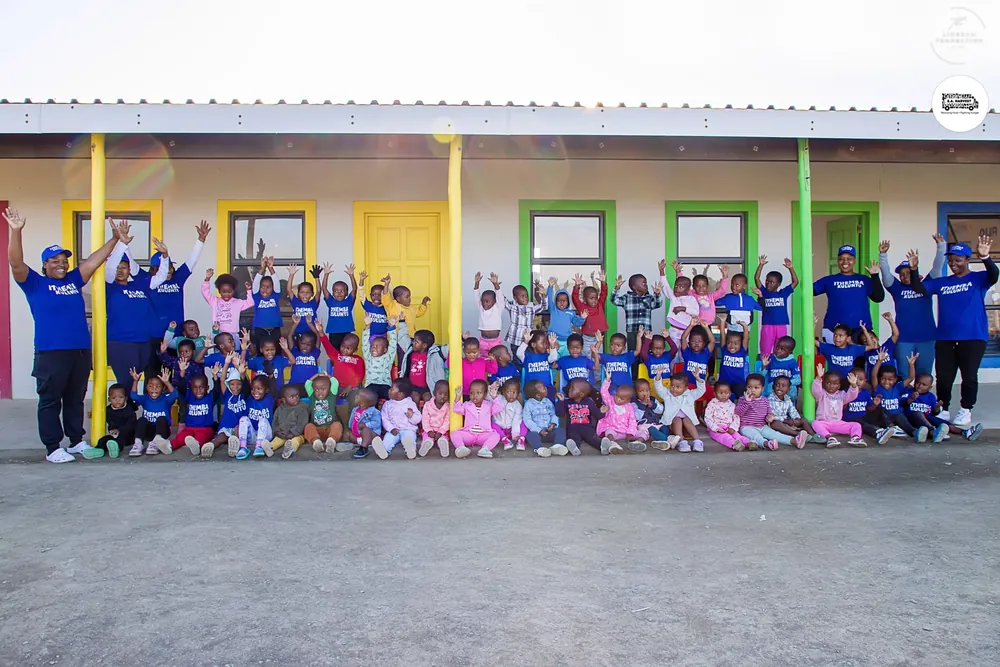
Built with FNB Care as infrastructure partner and opened in 2025: a free early learning centre where 120 children learn, play and eat every day, with paid roles for local women as teachers, cooks and carers. A Women’s Centre followed in 2026, starting with a gender-based violence programme for young women.
Planned next
Village Smart Hubs
A ring-fenced share of carbon revenue is planned to build Smart Hubs anchored in early learning, with space for youth and skills development, health outreach and protection services, alongside water and sanitation for schools.
No carbon credits have been issued yet: revenue begins once they are independently verified. Planned uses are iThemba Kuluntu’s. The ECD Centre and Women’s Centre were not funded by carbon revenue.
The blueprint
From one household to a stronger community.
How a household filter grows into long-term change, in six steps.
01
The problem
The burden of unsafe water falls hardest on women and girls.
02
The PureFlow model
Filters assembled locally and delivered with training and aftercare.
03
Immediate benefit
Safe water and WASH education in homes, schools and ECD centres.
04
System shift
Paid local roles turn an urgent need into a lasting household solution.
05
Community gains
Health, learning, household savings and women’s livelihoods improve together.
06
Long-term change
Stronger village resilience and community self-reliance.
On the ground
More than a filter handover.
Five steps, delivered by local teams, from the first community meeting to follow-up visits in people’s homes.
01
Listen
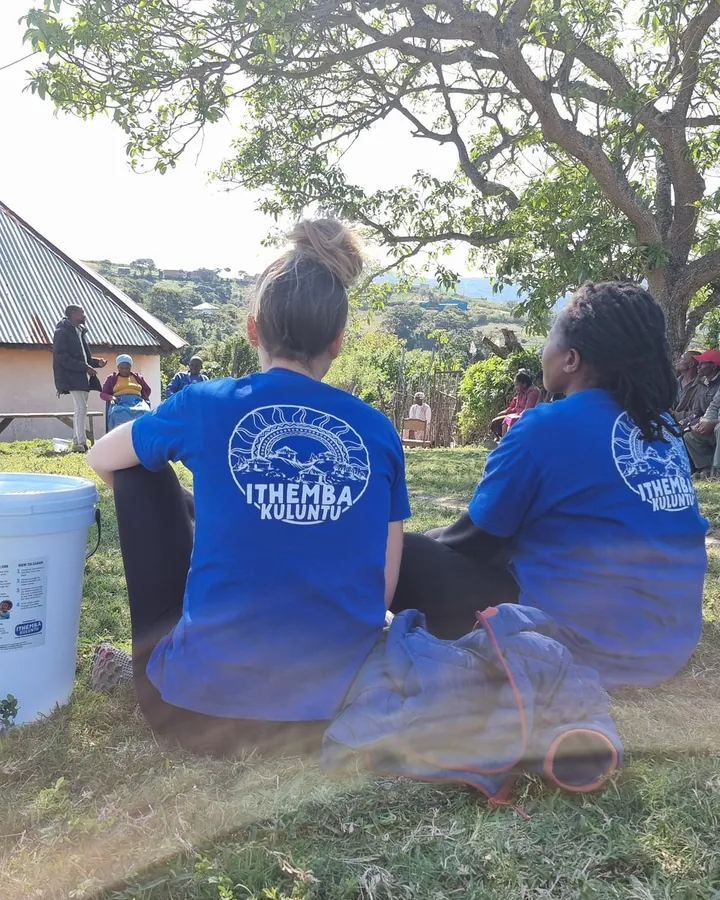
Community meetings come first, so households know what is coming and why.
02
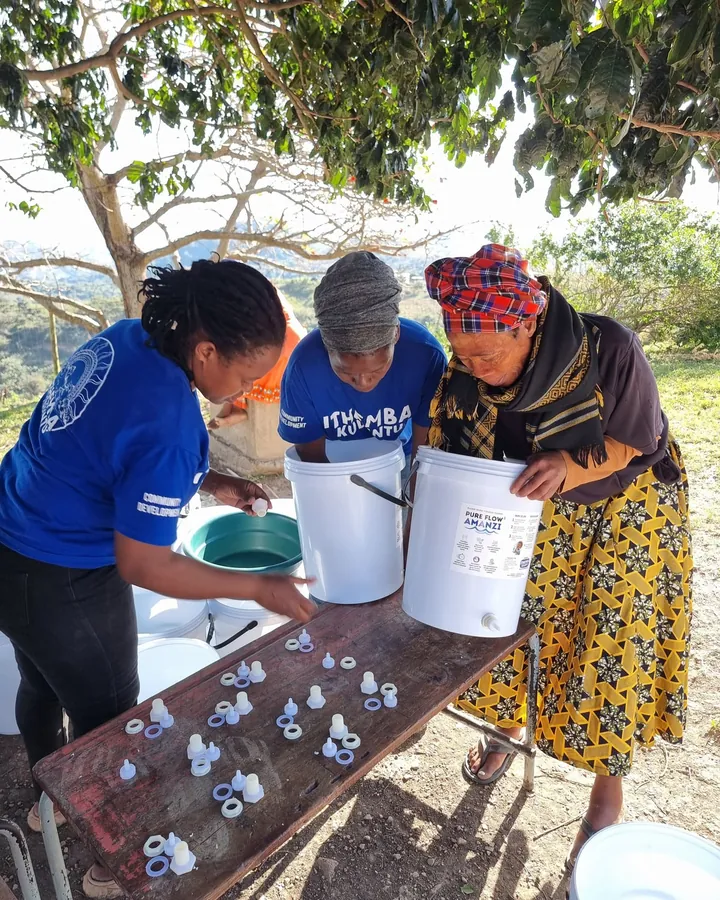
Assemble
Filters are assembled locally, so skills and income stay in the area.
03
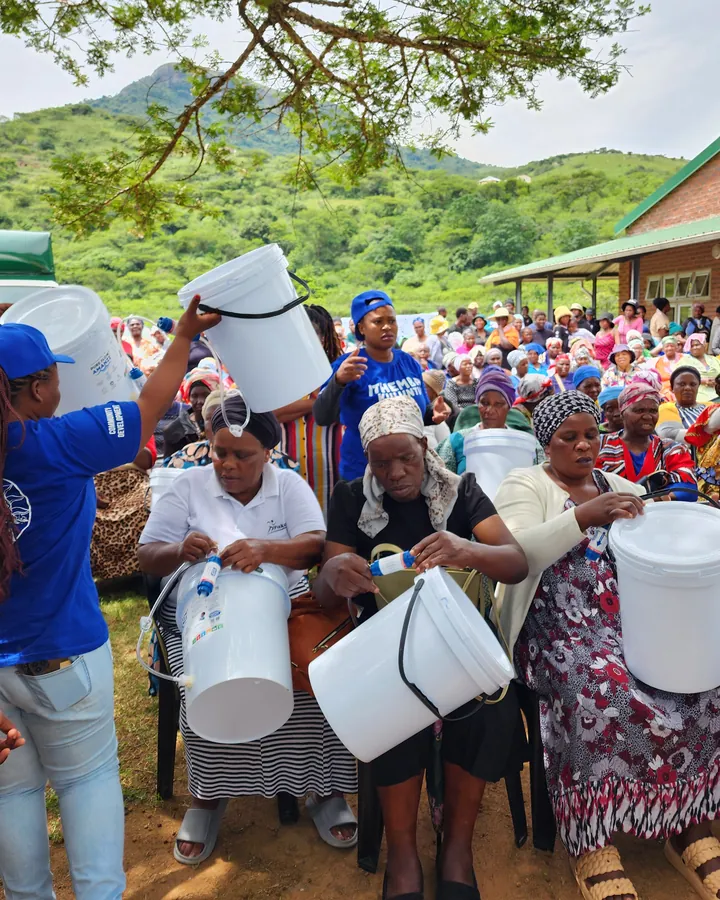
Deliver
Handout events reach whole villages, schools and ECD centres at once.
04
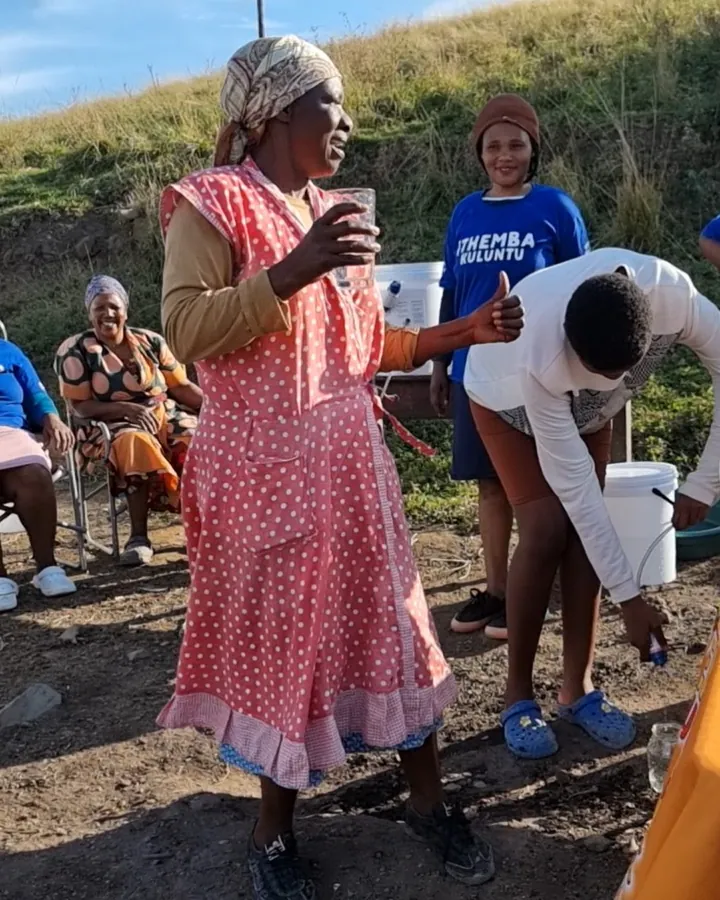
Teach
WASH education at every handout, so filters are used, cleaned and trusted.
05
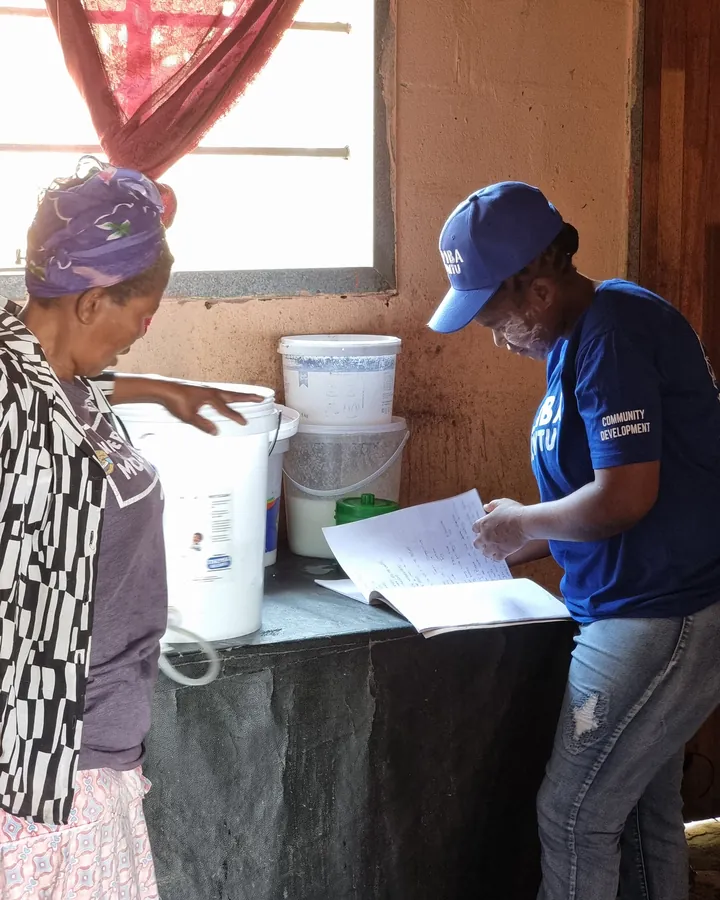
Stay
Home visits keep filters working, and produce the monitoring data the credits rely on.
See it for yourself
Already in thousands of homes.
Clean water in the home, and the moment people first see the difference. Watch the programme in action, or read the story of the women at its centre.
This category has an integrity problem, which is exactly why we work conservatively. We would rather quote low than revise downwards later.
Volumes, pricing and the registry process are scoped per buyer against the current methodology. The same project can sit in your carbon budget and your socio-economic development budget, and both help the programme reach more households, schools and villages.
Do these credits count against South African carbon tax?
The project is wholly undertaken in South Africa, as the offset regulations require
Gold Standard is one of three standards recognised for the offset allowance
The activity displaced, boiling over wood, is not itself subject to the carbon tax
Credits are cancelled and listed on the national registry before they can be claimed
Which methodology, and how conservative is it?
An established Gold Standard safe water methodology, not a bespoke one, with registration work already initiated
Gold Standard tightened its biomass accounting rules through 2025 and 2026; we work to the current rules, not expired pre-approved values
Conservative assumptions throughout: they are worth more than optimistic ones in this market
How is delivery measured and reported?
Delivered by a registered Public Benefit Organisation already working in the area
A full implementation model: education, onboarding, aftercare and monitoring
Household follow-up and delivery tracking, so what you report rests on delivery, not an assumption
Outcomes you can put in front of a board or into a sustainability report
Which frameworks is it structured against?
Carbon Offset RegulationsSection 13 Offset AllowanceNational Offset RegistryGold Standard for the Global GoalsSafe Drinking Water Supply MethodologyNon-Renewable Biomass FractionSuppressed DemandMonitoring, Reporting & VerificationSocio-Economic DevelopmentB-BBEEPublic Benefit OrganisationGRI 305: EmissionsIFRS S2 Climate DisclosuresUN SDG 6: Clean WaterUN SDG 13: Climate Action
What does GCX do on the programme?
GCX is carbon technical advisory partner: methodology selection, additionality, registration pathway, pricing basis and revenue structuring. It is the same work our Climate and Carbon team does for clients directly. Offsets are the last step in a decarbonisation plan, not a substitute for one; our article on onsetting vs offsetting explains why.
 3,000+
 15,000+
 80+
 350+
 45M+


 3
 4
 01
 02
 03
 04
 05